Artificial intelligence is rapidly transforming the way we create and experience music. What once required years of training, complex software, and studio equipment can now be achieved with a few well-crafted prompts. Among the leaders in this transformation is Mureka, a cutting-edge AI music platform designed to turn creative ideas into professional-grade songs.
With the release of Mureka 7.5, the platform has taken a decisive leap forward—offering creators greater control, higher-quality sound, and more natural composition than ever before. This article explores what makes Mureka 7.5 stand out, and how it compares with its predecessors — Mureka O1 and Mureka V7.
1. What Is Mureka?
Mureka is an AI-powered music generation platform that enables users to produce songs, melodies, and even fully arranged tracks with realistic vocals and instruments. Designed for creators of all skill levels, it turns simple text prompts or lyrics into dynamic compositions ready for commercial or creative use.
Users can generate music across genres, specify mood or tempo, and even upload reference audio to guide style and emotion. Mureka also supports voice synthesis, allowing the creation of singing or spoken vocals with customizable tone, emotion, and accent.
Unlike basic sound generators, Mureka integrates both musical intelligence (understanding of structure, rhythm, harmony) and artistic adaptability (style emulation and mood reproduction), setting it apart from traditional algorithmic music tools.
2. The Evolution of Mureka: From O1 to V7.5
The journey of Mureka has been marked by rapid innovation. Each version represents a distinct phase in the platform’s evolution — from concept to professional-grade creation.
- Mureka O1 was the first public version, a lightweight AI that introduced users to automated composition and lyric synthesis.
- Mureka V7, launched in mid-2025, introduced MusiCoT (Music Chain of Thought), a framework that pre-plans musical structure before generating audio — resulting in more coherent, emotionally resonant music.
- Mureka 7.5, the latest evolution, pushes fidelity and control even further with higher sample rates, improved voice realism, longer track support, and multi-instrument layering capabilities.
Each generation builds upon the previous one, targeting specific user needs: O1 for accessibility, V7 for professional structure, and 7.5 for industry-grade realism.
3. Introducing Mureka O1 — The Pioneer of Accessible AI Music
The Mureka O1 model served as the entry point for the AI music revolution. Its focus was simplicity and accessibility: enter a prompt, choose a mood or genre, and let the AI compose.
It excelled at generating short loops, jingles, and background scores — ideal for creators on a budget or content makers needing quick, copyright-free music. However, it lacked the nuanced emotion and structural depth required for professional songwriting.
Still, O1 laid the foundation by proving that AI could create musically pleasing results with minimal human input. Its legacy lies in accessibility — bringing the power of music creation to those without formal training.
4. Mureka V7 — Structure, Emotion, and Realism
With Mureka V7, Skywork (Mureka’s developer) revolutionized the AI music landscape. The inclusion of the MusiCoT framework marked a turning point: the AI began “thinking” about composition like a human musician would.
Instead of producing random sequences, Mureka V7 outlined verse-chorus-bridge structures before generating sound. This gave songs a more natural narrative and emotional arc. The update also introduced:
- Enhanced vocal synthesis with smoother transitions between syllables.
- High-fidelity instrument modeling for guitars, strings, and drums.
- Improved lyric integration, enabling AI to compose lyrics with rhythmic alignment to the melody.
These features made V7 a favorite among independent artists and producers who wanted AI to assist rather than fully automate their creative process.
In essence, Mureka V7 became the bridge between novelty and artistry — empowering creators to produce music that felt authentically composed.

5. Mureka 7.5 — Professional Power Meets Creative Freedom
Mureka 7.5 builds upon the achievements of its predecessors while introducing a new layer of precision and professionalism.
The model leverages an upgraded multi-modal neural architecture, combining text-to-music, audio-to-music, and voice synthesis in a single system. Key improvements include:
1. Superior Audio Fidelity
Tracks generated in 7.5 achieve studio-grade quality with higher sampling rates, extended stereo dynamics, and improved mastering algorithms. Users can generate compositions suitable for streaming or film scoring without post-production.
2. Extended Song Length
While earlier models capped tracks at around 90 seconds, Mureka 7.5 allows full-length songs—up to five minutes—maintaining consistent quality throughout.
3. Vocal Realism 2.0
A major leap in voice rendering gives Mureka 7.5 lifelike articulation and breath control. The emotional expression now adjusts dynamically based on lyrics and genre, producing vocals nearly indistinguishable from human singers.
4. Multi-Instrument Control
Creators can specify layers like “piano ballad with soft strings and ambient drums” or “rock anthem with distorted guitar.” The AI blends instruments naturally without clipping or phase issues.
5. Expanded Style Library & Multi-Language Support
From cinematic orchestration to Afrobeat, lo-fi, and hyper-pop, the range of supported genres has doubled. Multi-language lyric support (English, Korean, Japanese, and Spanish) is also available in early access.
6. Adaptive Mixing & Mastering
The system automatically balances EQ, reverb, and compression, adapting to genre context—no DAW expertise required.
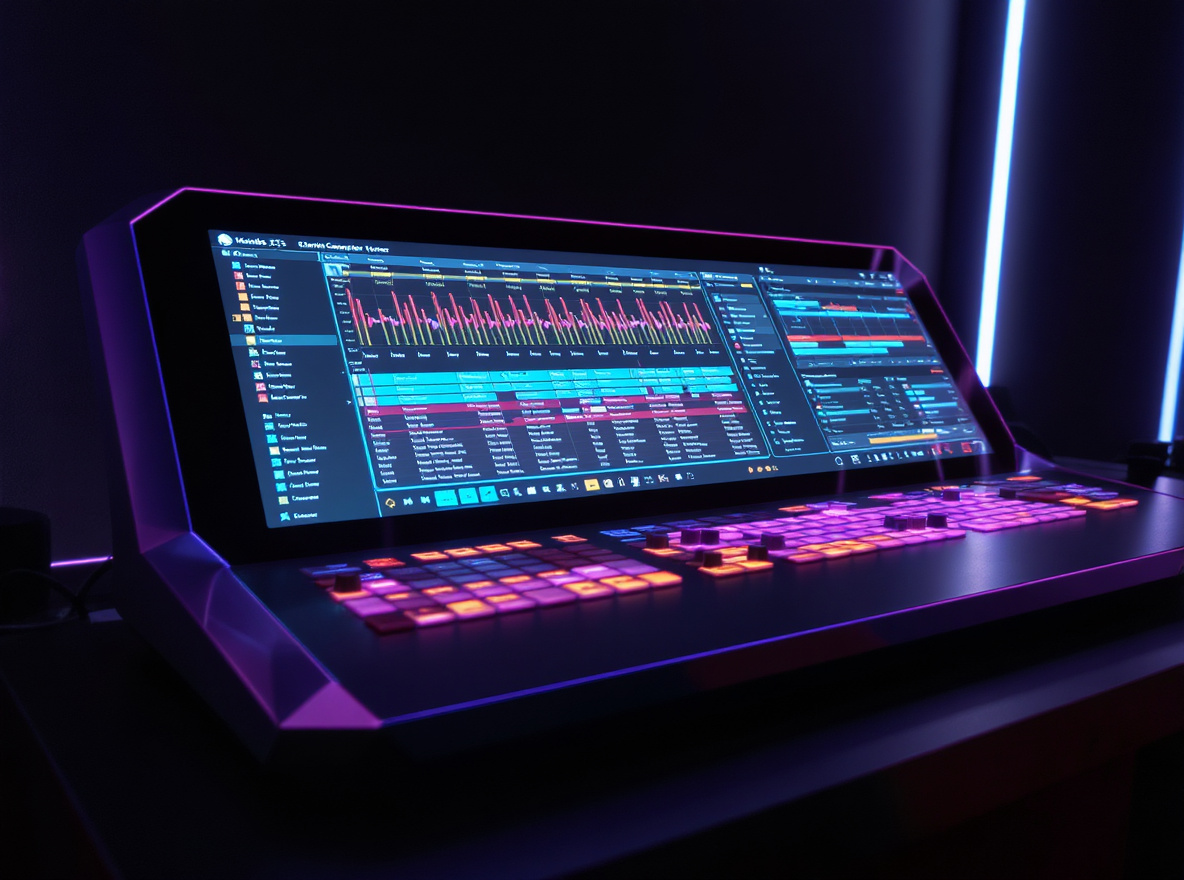
Together, these upgrades transform Mureka 7.5 from a songwriting assistant into a full-stack music production partner.
6. Comparative Overview: O1 vs V7 vs 7.5
| Feature | Mureka O1 | Mureka V7 | Mureka 7.5 |
|---|---|---|---|
| Launch Date | Early 2024 | July 2025 | October 2025 |
| Core Engine | Text-to-Music Basic | MusiCoT Structural Framework | Multi-Modal Neural Composer |
| Audio Quality | 128 kbps Loops | 256 kbps High-Fidelity | 512 kbps Studio-Grade |
| Song Length | 30–90 sec | Up to 2 min | Up to 5 min |
| Vocal Realism | Synthetic | Semi-Realistic | Human-like with Emotion |
| Genre Range | 8 Genres | 25 + Genres | 60 + Genres |
| Instrument Layers | Basic (1–2) | Medium (3–4) | Advanced (6 +) |
| Lyrics Integration | Optional | Aligned with Melody | Dynamic Emotional Mapping |
| Voice Synthesis | Limited TTS | Singing Voice Beta | Advanced Voice Cloning |
| Use Case | Hobbyists, quick loops | Indie artists, song demos | Professionals, film & commercial |
| Anchor Link | Mureka O1 | Mureka V7 | — |
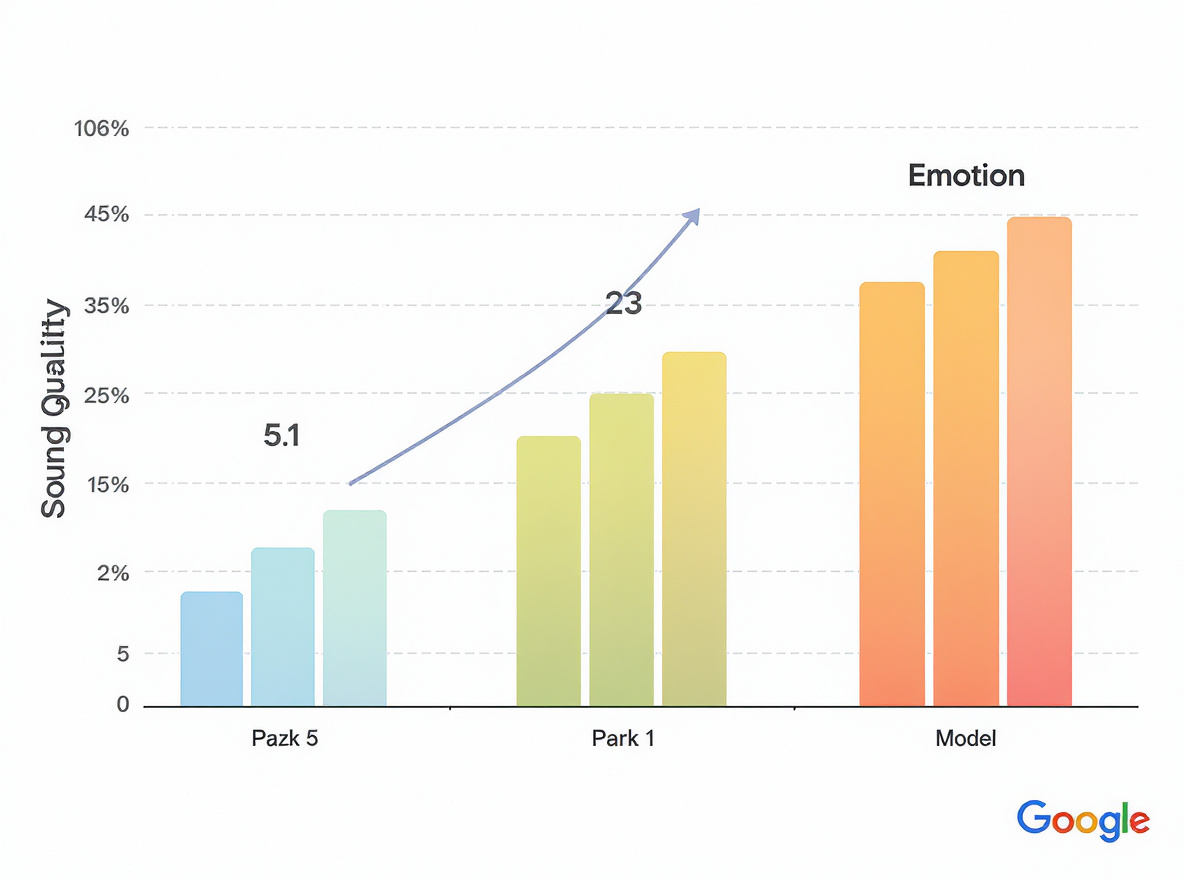
This table highlights how Mureka’s evolution has expanded not just quality but creative range. The 7.5 model stands as the definitive version for serious creators seeking both power and polish.
7. Choosing the Right Model for You
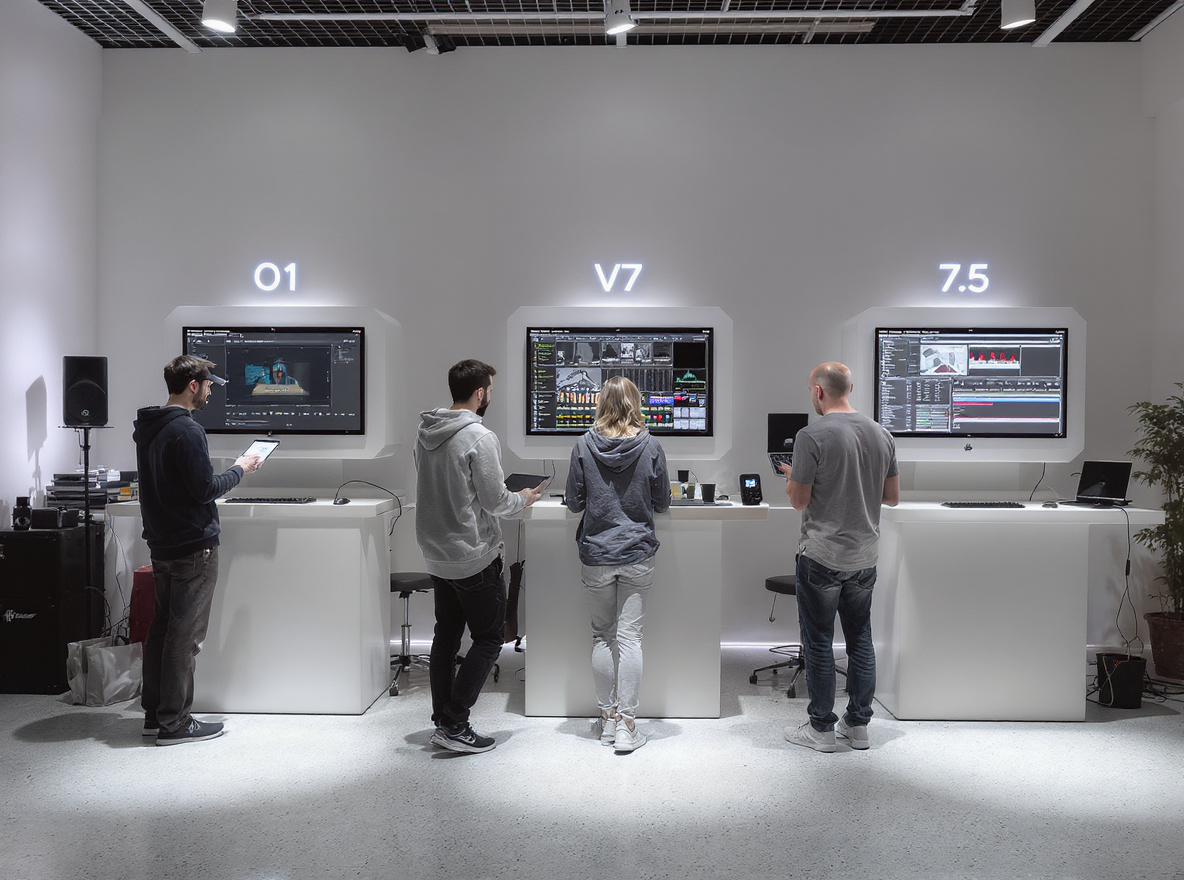
Each version of Mureka caters to a specific audience. Choosing depends on your creative goals, budget, and technical needs.
-
For Beginners and Content Creators:
Start with Mureka O1. It’s free or low-cost, easy to use, and perfect for short background tracks, YouTube intros, or social media soundbeds. -
For Indie Musicians or Songwriters:
Mureka V7 offers structure and emotion, ideal for demo songs, collaborations, and creative exploration. The MusiCoT system helps refine arrangement and lyrical pacing. -
For Professional Artists, Game Developers, and Film Producers:
Mureka 7.5 is the top choice. It delivers full-length, studio-quality songs with dynamic emotion and genre flexibility, ideal for streaming or licensing.
8. How Mureka 7.5 Works in Practice
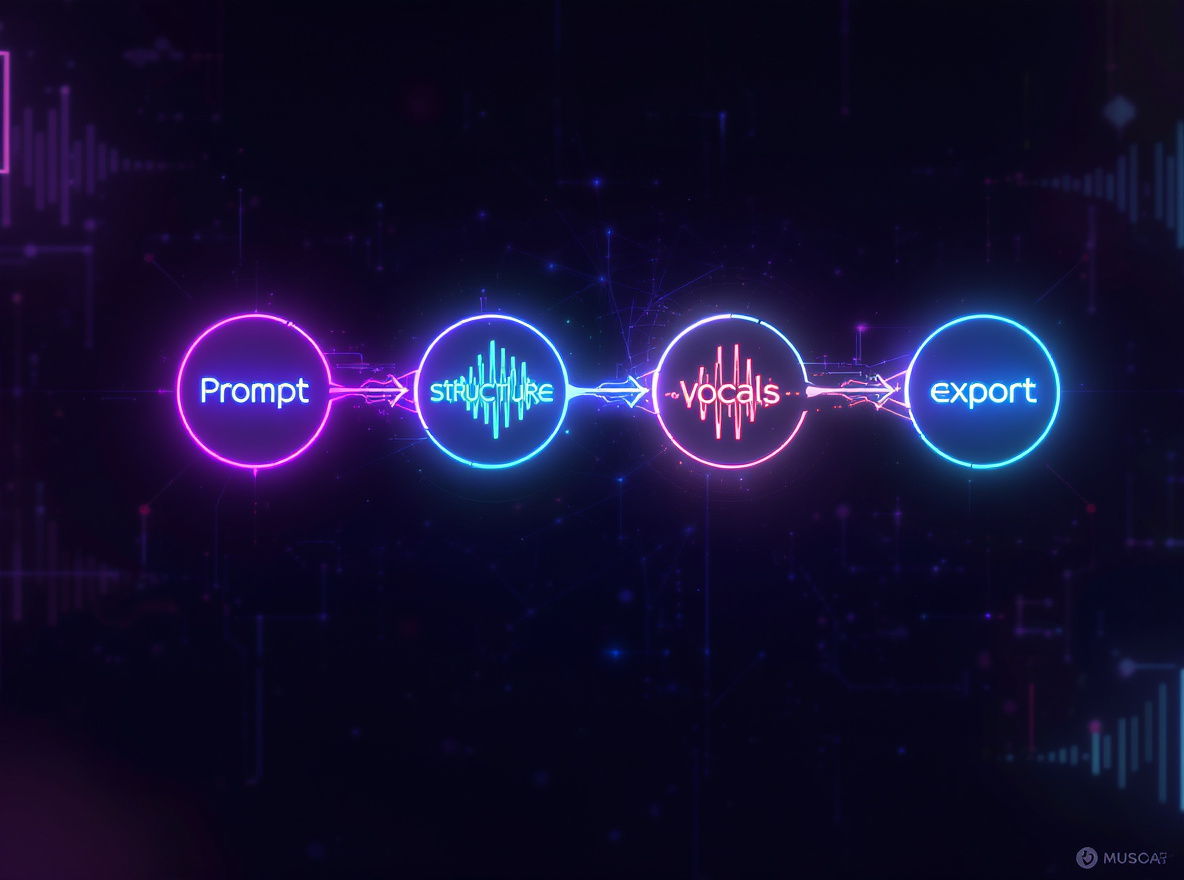
Creating a song in Mureka 7.5 involves a simple yet powerful workflow:
- Prompt Input: Describe the song idea (e.g., “a melancholy piano ballad about lost time”).
- Reference Selection: Optionally upload a sample for genre or mood.
- Structure Planning: The AI designs a musical blueprint—intro, verse, chorus, bridge.
- Audio Rendering: Instruments, vocals, and harmonies are generated simultaneously.
- Refinement: Users can tweak tempo, instrumentation, or regenerate sections.
- Export: Output as WAV, MP3, or track stems for DAW editing.
This seamless process compresses what used to be hours of manual production into minutes.
9. Limitations and Considerations
Even with its impressive advancements, Mureka 7.5 isn’t a flawless replacement for human creativity.
- Subtle Expression Gaps: While vocals are near-human, deep emotional phrasing may still require manual adjustment.
- Prompt Dependency: The quality of results heavily depends on how detailed your prompt is.
- Licensing and Ethics: Always check commercial rights, especially when using reference audio or cloned voices.
- Hardware Intensity: Longer songs and multi-layered arrangements may require robust GPU processing on certain setups.
- Creative Oversight Needed: AI can compose structure, but storytelling still benefits from human vision and emotion.
These limitations reflect a balance — Mureka is a collaborator, not a replacement for artistic intention.

10. The Future of Mureka: What Comes Next
Looking ahead, Mureka’s roadmap includes even more ambitious features:
- Real-Time AI Collaboration: Compose interactively through live audio prompts.
- Integrated Lyrics-to-Music Workflow: Full vocal alignment for custom lyrics.
- Cross-Modal Projects: Sync generated music with video or motion cues.
- Cloud-Based Studio Integration: Seamless use with platforms like Ableton Cloud or Google Drive.
- AI Remix & Remix Protection: Regenerate parts of songs while preserving melody or copyright compliance.
These innovations suggest a future where AI acts not merely as a tool but as a co-creator — capable of understanding, responding to, and enhancing human artistic direction.

11. Why Mureka 7.5 Defines the New Standard
The defining characteristic of Mureka 7.5 is its balance between automation and authenticity. It respects human creativity while removing the technical barriers that often prevent ideas from becoming reality.
For emerging creators, it’s a way to compete with major studios. For professionals, it’s an efficiency powerhouse. And for the broader industry, it represents the convergence of AI, art, and accessibility.
Mureka 7.5 doesn’t just generate songs — it generates opportunities. Whether you’re producing cinematic scores, pop tracks, or indie soundscapes, the platform enables music that feels intentional, emotional, and ready for the world.
12. Conclusion
From O1’s pioneering simplicity to V7’s structural mastery and now 7.5’s professional realism, the Mureka journey encapsulates how AI and music can evolve together.
Each version has broadened creative freedom — from quick content loops to full-fledged symphonies — without alienating human expression.
Mureka 7.5 stands as a landmark in AI music: a model that listens, learns, and composes like never before. Its improved fidelity, emotional depth, and user control make it not just an upgrade but a redefinition of what AI can achieve in sound.
In this new age of intelligent composition, one truth remains clear: the music of the future will be made with AI — not by it.