Piano is one of the easiest kinds of background music to use well. It can feel calm, emotional, elegant, reflective, or cinematic without taking over the whole project. That is why so many creators reach for piano first when they need music for a vlog, a short film scene, a study video, a product reel, or a personal storytelling edit.
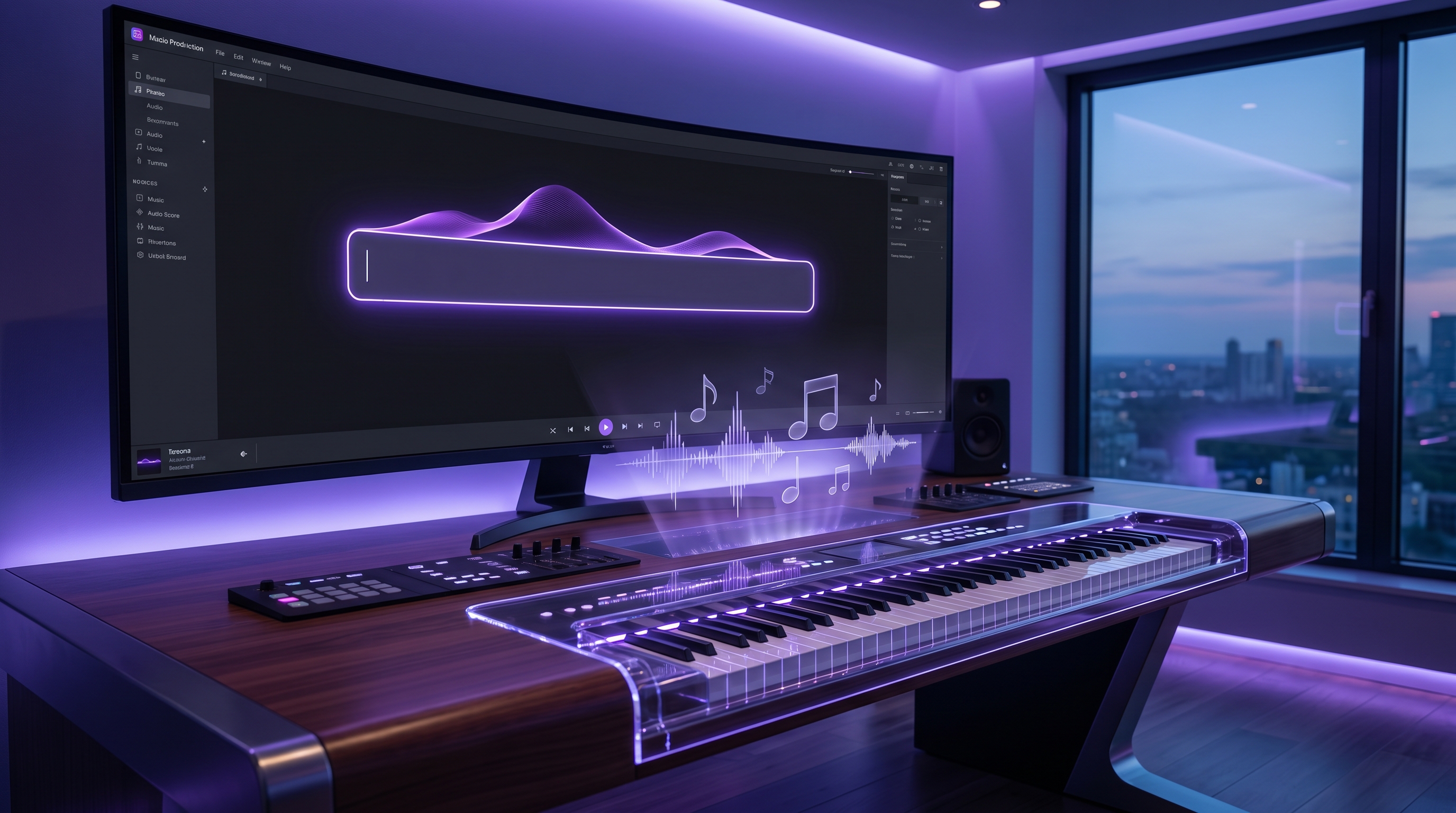
That is also what makes Piano Music Maker such a practical tool. Instead of opening a full music production setup and building everything from scratch, you can use an AI piano music generator to turn a simple idea into a finished piece much faster.
The appeal is not just speed. It is ease. You do not need to think like a composer to get something useful. You just need to know how to describe the feeling you want, what the track is for, and how simple or expressive it should sound.
Why this tool is useful for creators
A lot of creators do not need a huge, dramatic soundtrack every time. Often, they just need a clean, original piano piece that supports the visuals and makes the whole video feel more polished. That could be a warm intro, a soft emotional underscore, a study-friendly loop, or a reflective outro.
That is where an AI music generator like this becomes useful. It lowers the barrier. Instead of getting stuck on music theory or plugin settings, you can stay focused on the content itself.
For YouTubers, social creators, students, indie makers, and marketers, this matters a lot. When you are moving fast, a tool that helps you shape tone and mood quickly is often more valuable than a complicated workflow with endless options.
What makes better piano prompts work
The biggest mistake people make is being too vague. A prompt like “make piano music” is not wrong, but it gives the model almost nothing to work with. If you want a better result, you need to give it a little more direction.
The easiest way to think about it is this: tell the tool what the music should feel like, how fast it should move, and where it will be used.
That is why the best AI piano composer prompts usually include five things:
- the instrument focus
- the mood
- the tempo or pacing
- the scene or setting
- the content use case
For example, “warm solo piano with healing and comforting feelings” already gives the model a better emotional direction than simply saying “nice piano music.” If you also add “slow tempo” and “for a peaceful reflection video,” the result becomes even easier for the model to shape.
How to use MusicMaker AI without overthinking it
You really do not need a complicated process here. The easiest workflow is simple and forgiving.
Step 1: Choose the kind of piano track you want
Before you type anything, decide what role the music should play. Do you want something calming, cinematic, sentimental, elegant, minimal, or dramatic? This first choice makes the rest much easier.
Step 2: Write one clear description
Now describe the feeling in plain language. Keep it simple. Instead of trying to write like a composer, write like a creator explaining the vibe. Mention the mood, pacing, and purpose in one sentence.
Step 3: Generate the first version
Once your prompt feels clear enough, run it. Treat the first result as a draft, not a final masterpiece. The goal is to get close, not perfect.
Step 4: Make one light adjustment if needed
If the music feels too busy, too plain, too slow, or too dramatic, do not rewrite everything. Just refine one part of the prompt. Ask for a softer mood, a cleaner arrangement, or a steadier pace.
Step 5: Save the best version and create a variation
When you get a result that works, save it, then try one alternate version. A softer or shorter variation can be useful later for intros, outros, or background loops.
That is the best way to use an instrumental music generator like this. Stay relaxed, stay clear, and improve in small steps instead of trying to force the perfect track in one go.
Prompt examples that are actually useful
The best prompts are usually the ones that sound natural. You are not trying to impress the tool. You are trying to guide it.
Here are a few prompt styles that work well.
Warm healing piano
Prompt: “Compose a warm solo piano piece with healing and comforting feelings, slow tempo, soft dynamics, clean melody, gentle emotional rise, suitable for a peaceful nighttime reflection video.”
Why it works: It clearly defines the mood, pacing, and use case. The phrase “gentle emotional rise” adds movement without making the piece too dramatic.
Study and focus piano
Prompt: “Minimalist piano background music for studying, calm and steady, mid-slow tempo, repetitive but elegant motif, no dramatic peaks, clean and unobtrusive mood.”
Why it works: This prompt tells the model to stay supportive and controlled. That is ideal for study music or productivity content.
Cinematic emotional piano
Prompt: “Expressive piano composition for an emotional short film scene, intimate opening, gradual build, bittersweet but hopeful, rich harmony, polished and cinematic.”
Why it works: The emotional arc is built into the description. It gives the music a sense of progression without becoming overcrowded.
Luxury brand piano
Prompt: “Elegant modern piano music for a luxury brand reel, refined, minimal, polished, soft tension, premium atmosphere, light rhythmic pulse, graceful ending.”
Why it works: This is good for fashion, product showcases, and brand visuals because it feels restrained and upscale.
Rainy reflective piano
Prompt: “Gentle piano piece inspired by rain on windows, reflective and tender, slow tempo, spacious phrasing, subtle emotional movement, ideal for a personal storytelling video.”
Why it works: The imagery gives the music texture. It helps the tool translate atmosphere into sound.
How to improve weak results
Even a good AI piano music generator will sometimes give you a result that feels too generic or too heavy-handed. That is normal. The good news is that the fix is usually simple.
If the track feels too generic, add a clearer emotional direction. “Soft and comforting” is stronger than “nice.”
If the track feels too busy, ask for minimalist phrasing, more space, or fewer dramatic rises.
If the music feels flat, ask for a gentle build, more expressive chord movement, or a slightly brighter melodic line.
If it does not fit the video, adjust the purpose instead of the whole prompt. A track for a study video should feel very different from one for an emotional montage, even if both are piano-only.
The key is to change one thing at a time. That way, you can actually hear what improved the result.
Where piano music works best
One reason relaxing piano music works so well is that it fits many kinds of content without feeling distracting.
It works especially well for:
- YouTube explainers and personal videos
- study and focus playlists
- cinematic short scenes
- emotional slideshows and montages
- elegant product or fashion edits
- podcasts and soft spoken content
- quick concept music for creators testing an idea
Piano is flexible in a way that many other sounds are not. It can support the story without fighting for attention. That makes it a reliable choice when you want music that feels polished but still leaves room for the visuals.
Final thoughts
The real strength of Piano Music Maker is not that it replaces musical creativity. It is that it makes creativity easier to act on.
You can move from a vague idea to a usable piano track without turning the process into a technical headache. And once you understand how to write clearer prompts, the tool becomes much more useful.
The simplest mindset is usually the best one: describe the feeling, keep the prompt focused, generate a first version, and refine gently.
That is enough to get strong results more often.
Related Article
- AI Piano Music Generation Guide: From Idea to Finished Track in Minutes
- AI Instrumental Music Generation Guide: From Prompt to Finished Background Track
- How to Convert Audio to MIDI with AI: A Guide to Audio-to-MIDI Workflow
- How to Use the AI Music Video Generator: A Detailed Guide from Song to Video
- Suno V6 Latest Update: What’s Confirmed & What’s Rumored 2026
People Also Read
- DreamMachine AI Music Generator Review: An Easy Way to Turn Ideas Into Songs
- Experiencing Suno AI Music Generation with Dream Machine AI
- From Voice Note to Full Track Tutorial: Create AI Music With Your Voice
- Discover the Best AI Song Generator: VideoWeb’s AI Music Maker
- How to Create an AI Music Video by Suno & Hedra AI: The Complete 2025 Guide Using VideoWeb
Recommendations
MusicMaker AI has a wider tool set beyond piano generation, so it is easy to keep building once you have a good musical idea.
Other MusicMaker AI tools worth trying